Valley Outdoor Supply
DRY-CON X Vent Kit for Superior Moisture Management and Condensation Control
DRY-CON X Vent Kit for Superior Moisture Management and Condensation Control
Couldn't load pickup availability
DRY-CON X® Shipping Container Ventilation System | Condensation and Moisture Control
I understand the initial sticker shock. At first glance, it can seem like a lot for a ventilation system. But DRY-CON X® is not just about adding vents—it is a long-term investment in protecting everything you bought the container to safeguard.
Condensation can quietly damage tools, equipment, vehicles, materials, packaging, and electrical components through rust, corrosion, mold, and moisture. DRY-CON X® works passively year-round with no electricity, solar panels, batteries, fans, or ongoing maintenance costs.
It is USA-made by a veteran-owned company and backed by a 25-year manufacturer warranty. Over time, the value is not simply in the system itself—it is in helping preserve the valuables stored inside your container and avoiding preventable damage.
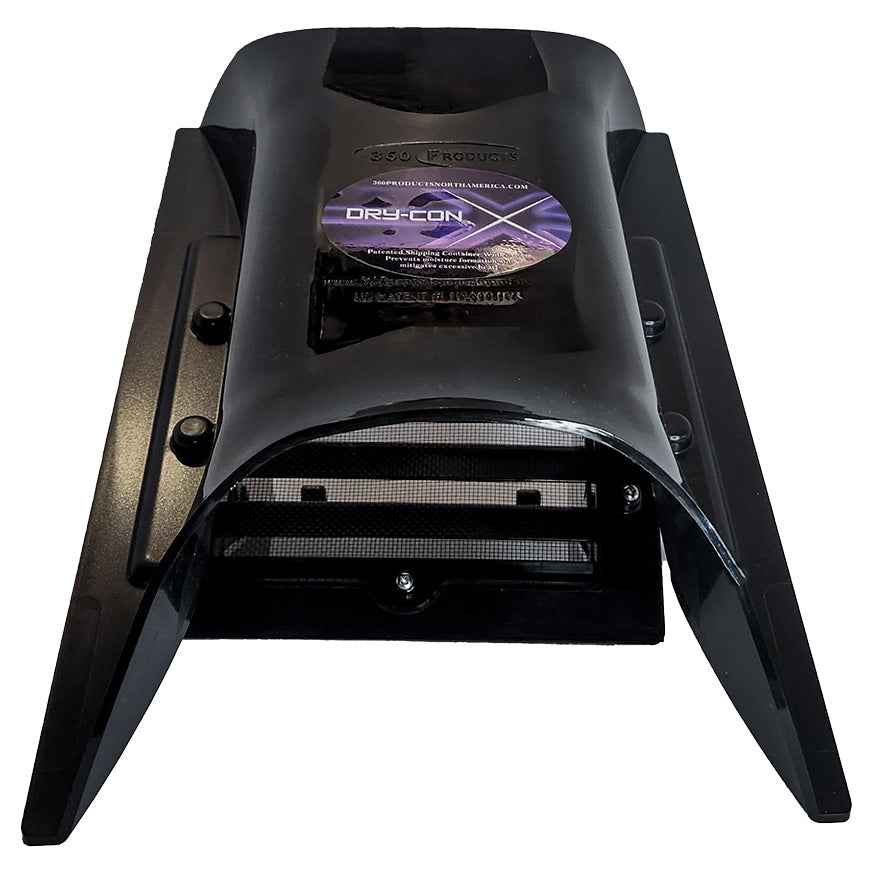
What it is: a passive shipping container ventilation system that pairs a container exhaust vent with a matched intake vent to create continuous airflow for container moisture prevention and container mold prevention.
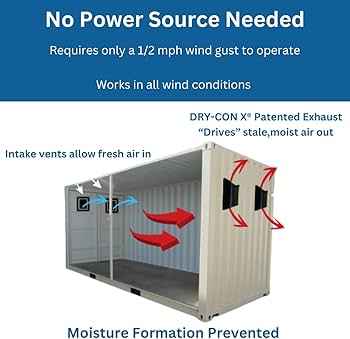
How it works: as air passes over the exhaust vent, a natural vacuum is created that pulls fresh ambient air in through the intake. This produces multiple daily air exchanges with no power and no moving parts, designed to help reduce condensation, mold, corrosion, and inside rain.
Buy DRY-CON X with Confidence from Valley Outdoor Supply
If moisture, condensation, or container rain is already causing problems, DRY-CON X is a one-time passive upgrade designed to help protect your container and stored contents long term.
- Flat-rate $28 shipping on DRY-CON kit orders
- Help choosing the correct kit before you order
- 25-year manufacturer-backed product warranty
- No electricity, no moving parts, no ongoing power cost
Quick summary
Passive shipping container ventilation — no electricity, no fan, and no moving parts
Helps reduce container rain and moisture buildup — designed to fight condensation, rust and corrosion, and mold
One-time passive upgrade — helps protect stored contents from repeated moisture problems
New installations should use the complete kit section — choose the correct kit based on container size and vent scenario
Individual items are also available separately for certain retrofit or replacement needs
Find the right kit now. Use this section to choose the correct DRY-CON X kit for your container location.
DRY-CON X® kit selection guide (20 ft, 40 ft, 53 ft, and high cube shipping containers)
New installations should use the complete kit section. Choose your container size, then select the vent scenario that matches your door direction and prevailing wind.
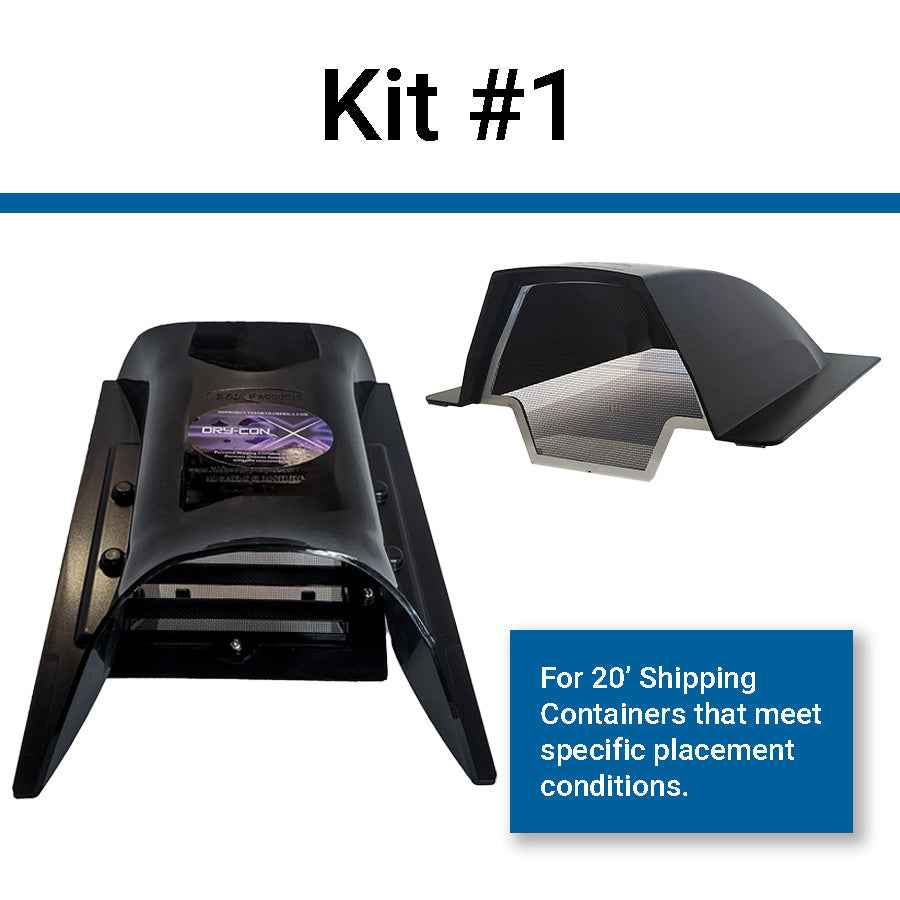
For easiest ordering: Kit 1 = 20 ft Back Wall, Kit 2 = 40/53 ft Back Wall, Kit 3 = 20 ft Side Wall, Kit 4 = 40/53 ft Side Wall.
Kit 1 and Kit 2 follow the Back Wall Intake path.
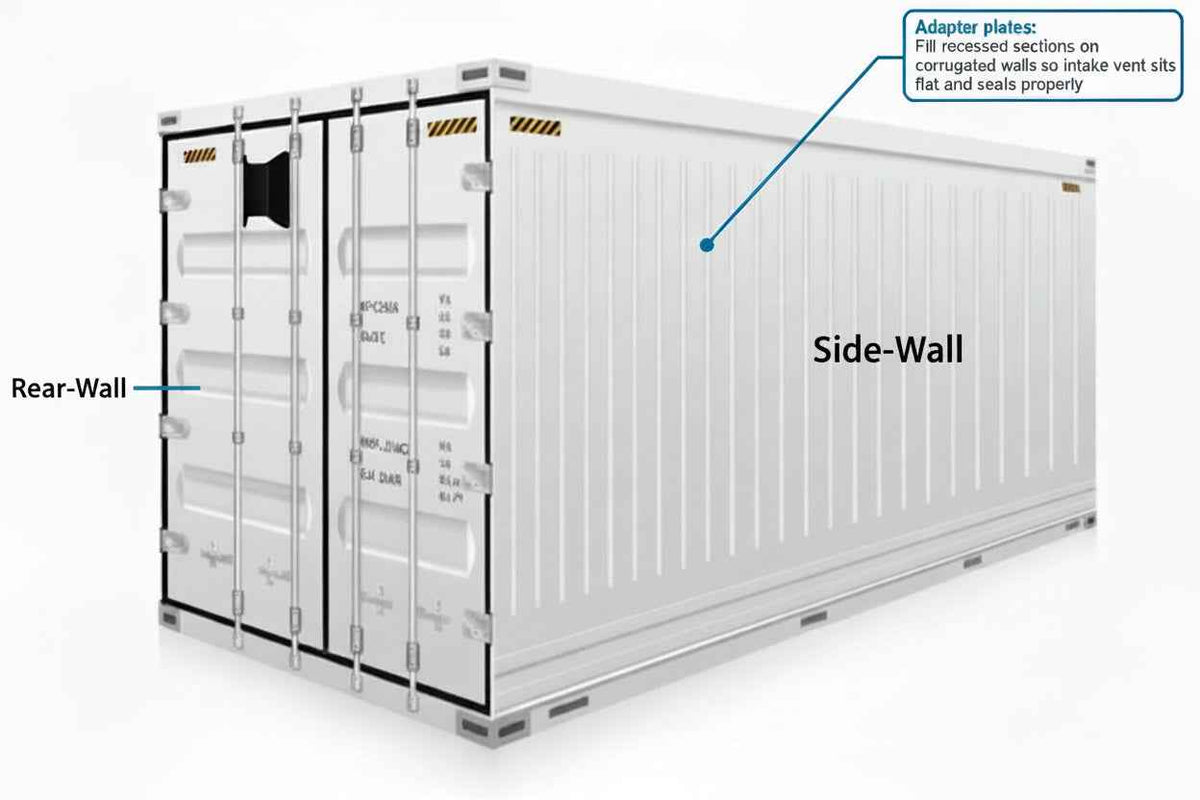
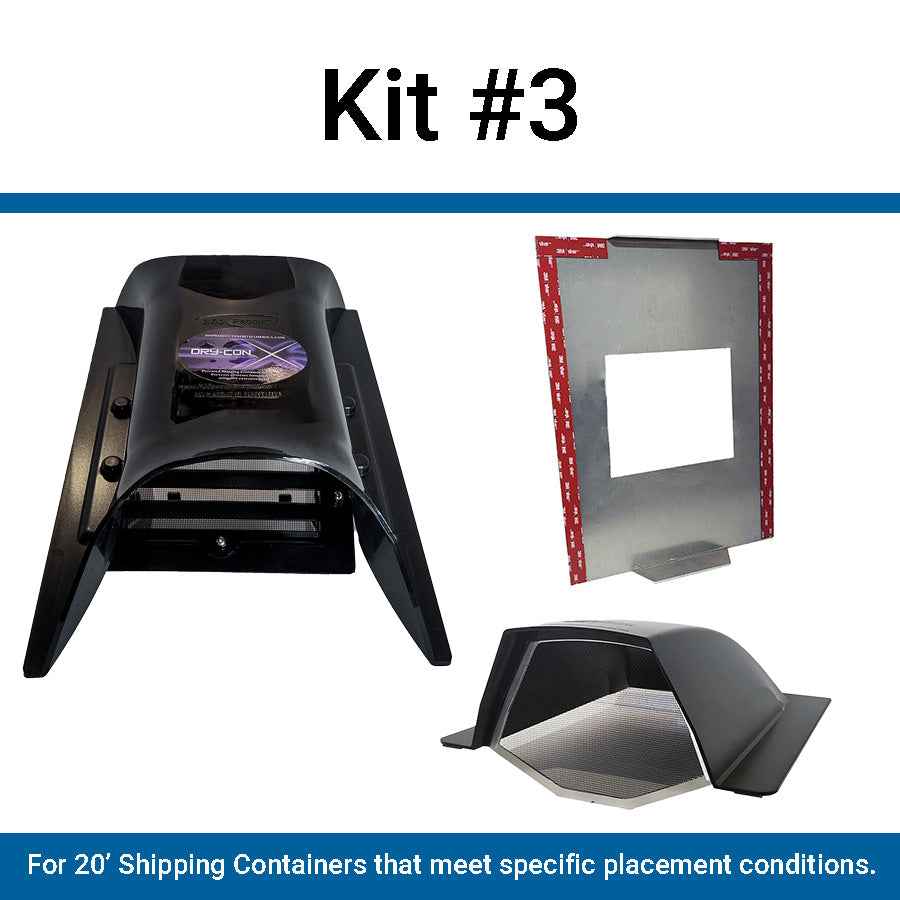
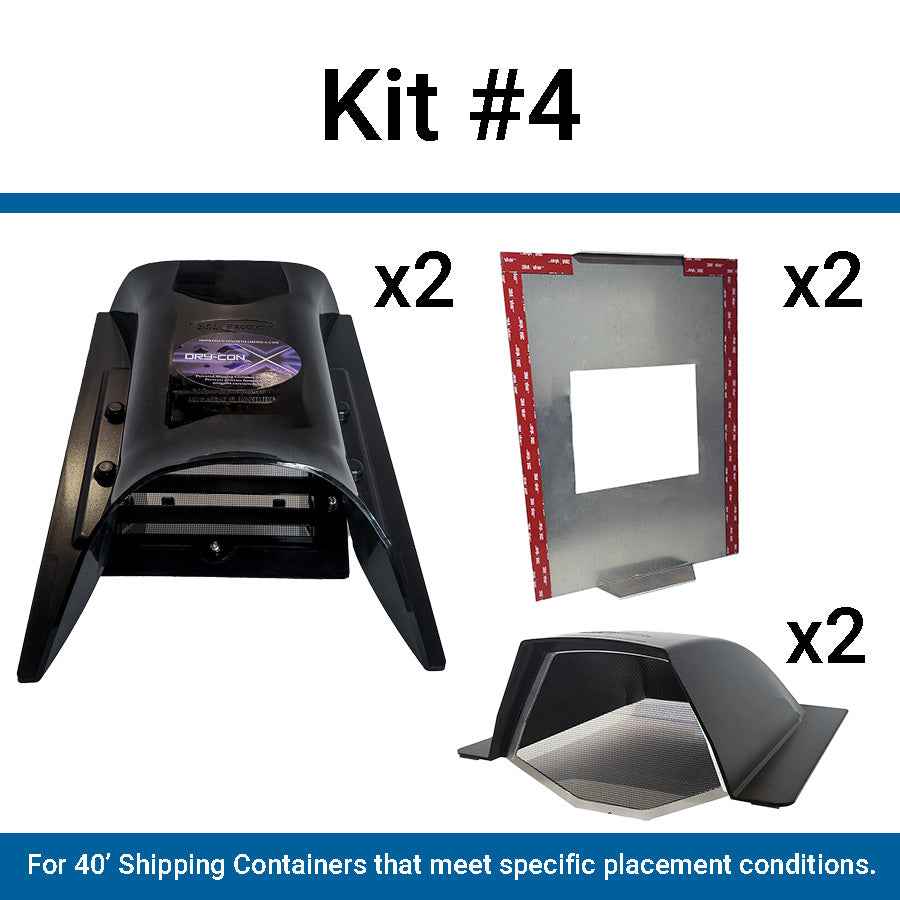
Kit 3 and Kit 4 follow the Side Wall Intake path and include the adapter component listed in the kit contents.
Need help? If your site has obstructions within 3 feet of the side or back walls, contact us before cutting.
Tap here to view Kit 1 through Kit 4 descriptions
Kit 1 — 20 ft (Back Wall Intake)
- 1 exhaust vent
- 1 back wall intake vent
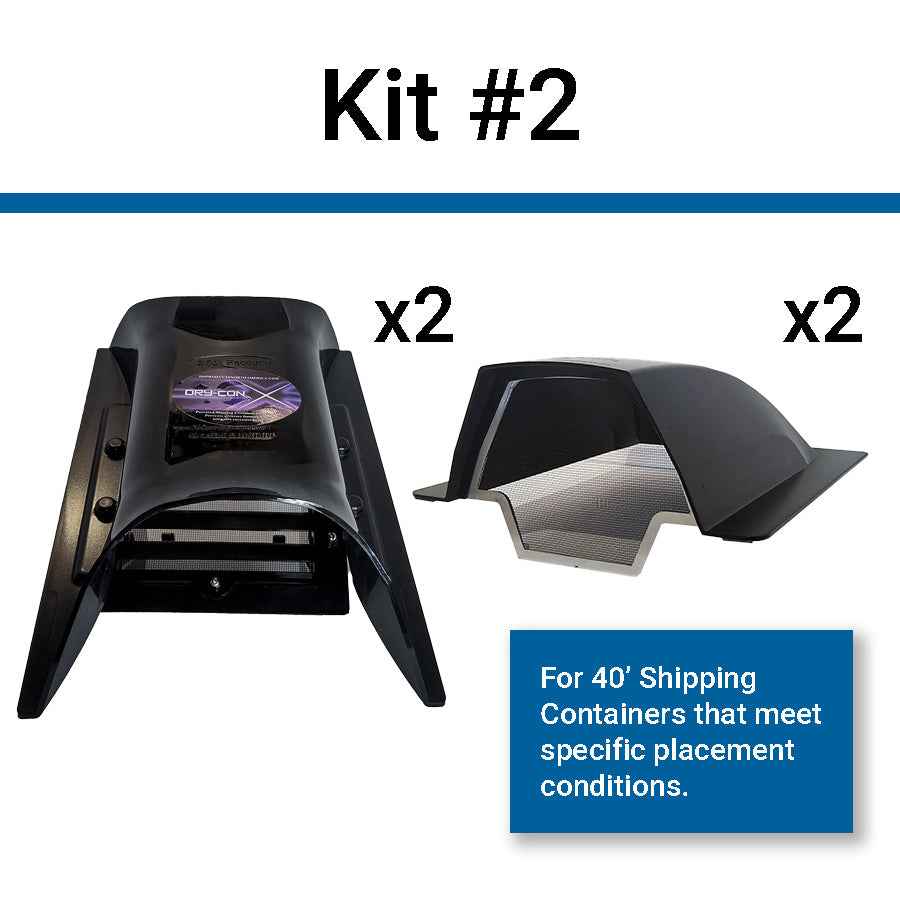
Kit 2 — 40 ft / 53 ft / high cube (Back Wall Intake)
- 2 exhaust vents
- 2 back wall intake vents
Kit 3 — 20 ft (Side Wall Intake)
- 1 exhaust vent
- 1 side-wall intake vent
- 1 adapter plate
Kit 4 — 40 ft / 53 ft / high cube (Side Wall Intake)
- 2 exhaust vents
- 2 side-wall intake vents
- 2 adapter plates
Watch Before You Buy or Cut
This DRY-CON X walkthrough covers kit selection and installation so you can order with confidence and avoid mistakes before cutting into your container.
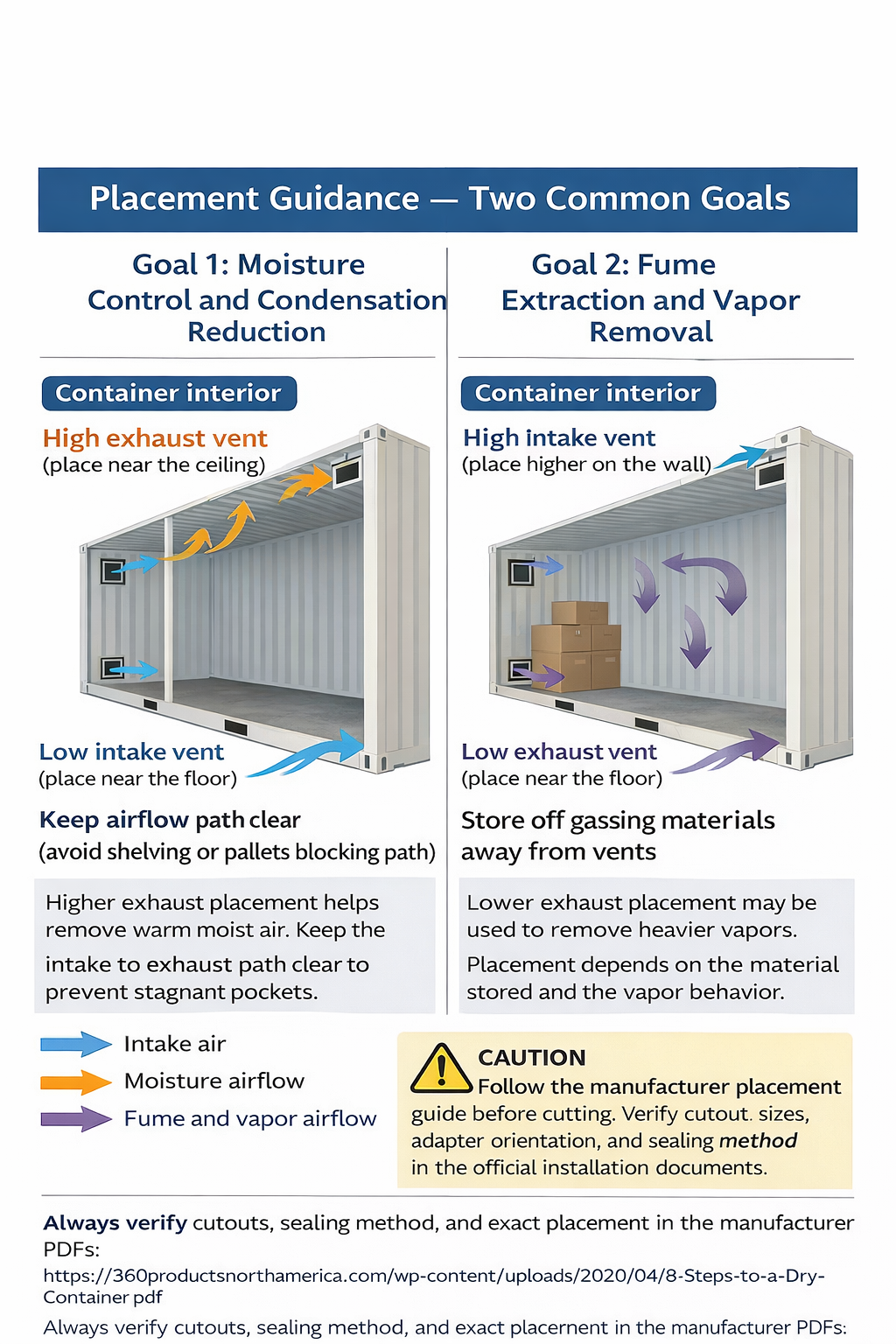
Shipping container vent placement guide (moisture control and fume extraction)
Goal 1: Moisture control and condensation reduction

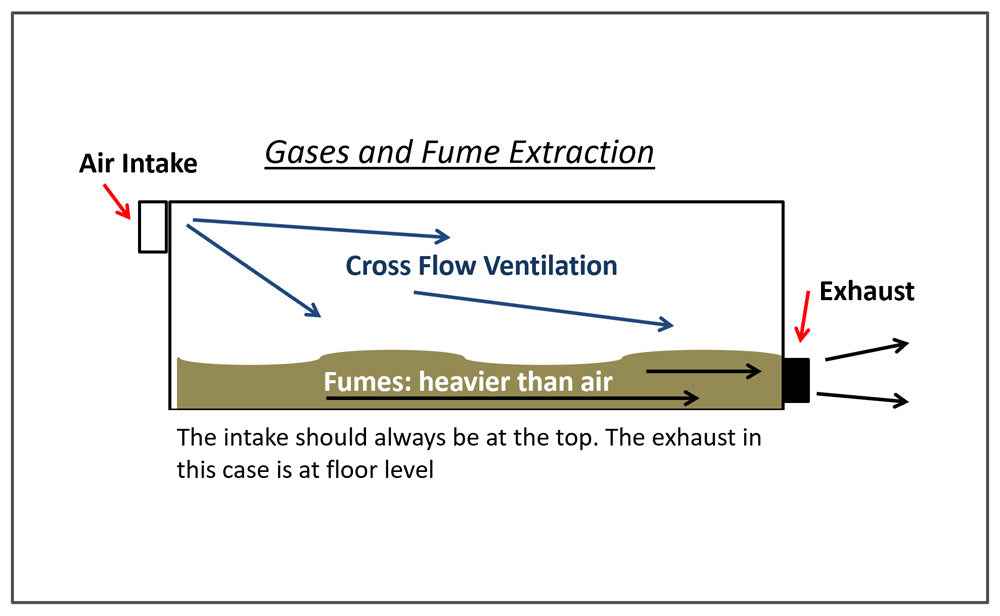
Goal 2: Fume extraction and vapor removal

Follow the DRY-CON X placement guide before cutting. Verify cutout sizes, adapter orientation, and sealing method using the installation documents provided on this page.
Why shipping containers get condensation (and how DRY-CON X® reduces it)
Steel shipping containers can trap warm, humid air. When outside temperatures drop, interior steel surfaces can cool below the dew point and moisture can form on ceilings and walls. Over time, this can contribute to corrosion, mold growth, and damage to stored materials.
DRY-CON X is designed to promote continuous passive airflow. Venturi-based aerodynamics at the exhaust vent encourage stale, moisture-laden air to exit while fresh ambient air is drawn in through the intake. By increasing natural air exchange without mechanical assistance, DRY-CON X helps reduce moisture buildup and the conditions that lead to condensation.
Key design features
- No power required — passive airflow with no moving parts
- Wall-mounted ventilation — avoids roof penetrations and reduces leak risk compared to roof-mounted turbine vents
- Durable construction — designed for long service life with minimal maintenance
Installation resources and support documents
Need more detail before installation? Watch this additional walkthrough from 360 Products.
Use the installation documents below for cutouts, adapter details, vent specs, and installation planning without leaving this page.
- Installation Manual (PDF)
- Exhaust Vent Specification Sheet (PDF)
- Intake Vent Specification Sheet (PDF)
- Cutouts and Adapter Details (PDF)
Tap here to see warranty and support details
DRY-CON X is backed by a 25-year manufacturer product warranty. Warranty terms and exclusions apply.
Key product details
- Construction: UV-protected polycarbonate
- Temperature range: designed for extreme conditions from -40°F to 200°F
- Adhesion: industrial-grade 3M VHB double-sided tape for a permanent, high-strength bond
Need help before ordering? Email sales@valleyoutdoorsupply.com or call 360-916-8312.
Questions before you order? Contact Valley Outdoor Supply and we will help you choose the correct DRY-CON X kit before purchase.